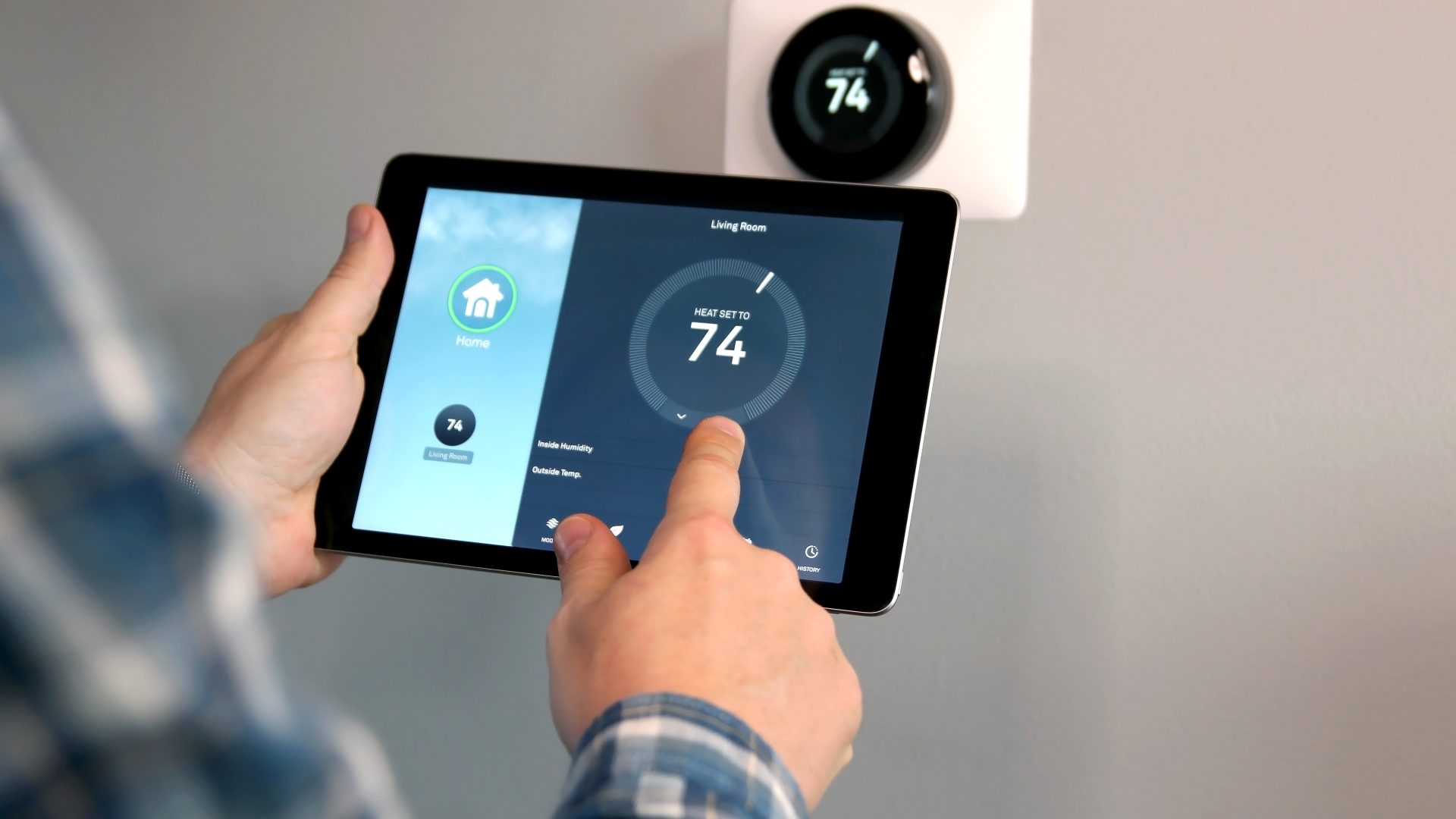

When temperatures suddenly drop across Rockwall and surrounding areas, HVAC companies often see a sharp increase in furnace repair calls. Many homeowners are surprised when their heating system fails during the coldest days of the year. However, there are clear reasons why furnace breakdowns become more common during cold snaps.
Understanding why this happens can help you take preventative steps and avoid losing heat when you need it most.
Your Furnace Runs Longer and Harder
During mild winter weather, your furnace cycles on and off periodically to maintain indoor comfort. When a cold snap hits, your system may run almost continuously to keep up with demand. Extended run times place additional strain on internal components.
This added stress affects:
- The blower motor
- The heat exchanger
- Ignition components
- Electrical controls
- Gas valves and burners
If any of these parts are already worn or weakened, continuous operation can push them past their limit, resulting in sudden failure.
Hidden Issues Surface Under Extreme Demand
Small problems often go unnoticed during moderate weather. A slightly dirty flame sensor or a weakening igniter might not cause immediate failure when the furnace runs occasionally. However, during a cold snap, those minor issues quickly become major ones.
Common hidden problems include:
- Dirty burners affecting combustion
- Cracked or aging igniters
- Failing capacitors
- Loose electrical connections
- Restricted airflow
Extreme cold exposes these weaknesses because the system has no room for error when working at full capacity.
Restricted Airflow Causes Overheating
Airflow is critical to furnace performance. When airflow is restricted, the furnace can overheat and trigger safety shutoffs. During a cold snap, furnaces run longer, making airflow problems more likely to cause breakdowns.
Airflow restrictions often come from:
- Clogged air filters
- Blocked return vents
- Dirty blower components
- Ductwork leaks or damage
Overheating can cause the high-limit switch to shut the furnace down repeatedly, leaving you without consistent heat.
Older Systems Are More Vulnerable
If your furnace is more than 10 to 15 years old, cold snaps can be especially challenging. Older systems naturally experience wear on mechanical and electrical parts. When outside temperatures drop significantly, aging components may no longer function reliably under heavy demand.
Older furnaces are more likely to experience:
- Ignition failures
- Blower motor breakdowns
- Cracked heat exchangers
- Control board malfunctions
- Decreased heating efficiency
Routine inspections become even more important as systems age.
Gas Pressure and Combustion Issues
Cold weather can impact gas pressure and combustion performance. Furnaces rely on precise fuel-to-air ratios for proper operation. If burners are dirty or gas pressure fluctuates, ignition problems can occur more frequently during colder weather.
Signs of combustion-related issues include:
- Furnace attempting to ignite repeatedly
- Short cycling
- Unusual odors
- Inconsistent heating
Professional inspection ensures safe and efficient operation during peak heating demand.
Thermostat and Control Problems Become More Noticeable
Cold snaps often reveal thermostat calibration issues or control board weaknesses. When your system cycles frequently in extreme temperatures, even minor communication problems between the thermostat and furnace can result in inconsistent heating or shutdowns.
Accurate calibration and electrical testing can prevent these avoidable service calls.
Lack of Maintenance Increases Winter Breakdowns
One of the biggest reasons furnace repairs increase during cold snaps is simple lack of preventative maintenance. Furnaces that have not been cleaned, inspected, and tested before winter are far more likely to fail when demand spikes.
Professional maintenance typically includes:
- Inspecting and cleaning burners
- Testing ignition systems
- Checking electrical components
- Examining the heat exchanger
- Verifying airflow and duct performance
Preventative care identifies small issues before extreme weather turns them into emergencies.
Commercial Properties Face Greater Risk
For commercial buildings in Rockwall, Garland, Dallas, Greenville, and surrounding communities, heating system reliability is critical. Businesses often operate extended hours, and heating interruptions can impact employees, customers, and productivity.
Customized maintenance agreements help commercial systems withstand cold snaps without unexpected downtime.
Conclusion
Furnace repairs increase during cold snaps because heating systems are pushed to operate at maximum capacity for extended periods. Longer runtimes, restricted airflow, aging components, combustion issues, and lack of maintenance all contribute to higher failure rates when temperatures drop suddenly.
The best way to avoid losing heat during the coldest days of the year is proactive service and professional inspection before winter arrives.
D-N-D Services has been servicing all brands of HVAC equipment in Rockwall and surrounding areas since 1997. Our NATE-certified technicians provide thorough furnace inspections, honest evaluations, and dependable repair solutions for both residential and commercial systems. With proper maintenance and expert care, your furnace can handle even the coldest Texas weather with confidence.
D-N-D Services Heating & Air Conditioning is the premier choice for HVAC services in Rockwall. With a team of highly trained and certified technicians, we have the expertise to handle all of your heating, ventilation, and air conditioning needs. Our commitment to customer satisfaction is unmatched, and we always go above and beyond to ensure that your experience with us is positive. We use only the highest quality parts and equipment to ensure that your HVAC system is running at peak performance. Plus, we offer competitive pricing and flexible scheduling to fit your needs. Choose D-N-D Services Heating & Air Conditioning for all of your HVAC needs in Rockwall.
