
A furnace is one of the most critical components of your home’s heating system, especially during the cold months in Rockwall and surrounding areas. When your furnace shows signs of trouble, it’s important to schedule a professional repair promptly. However, performing a few basic checks beforehand can help you better understand the problem, ensure a smoother repair process, and sometimes even resolve minor issues without a service call.
At D-N-D Services, we have been servicing all brands of HVAC equipment since 1997. Our NATE-certified technicians provide professional furnace repair, maintenance, and installation services, helping homeowners identify and address issues efficiently while maintaining comfort and safety.
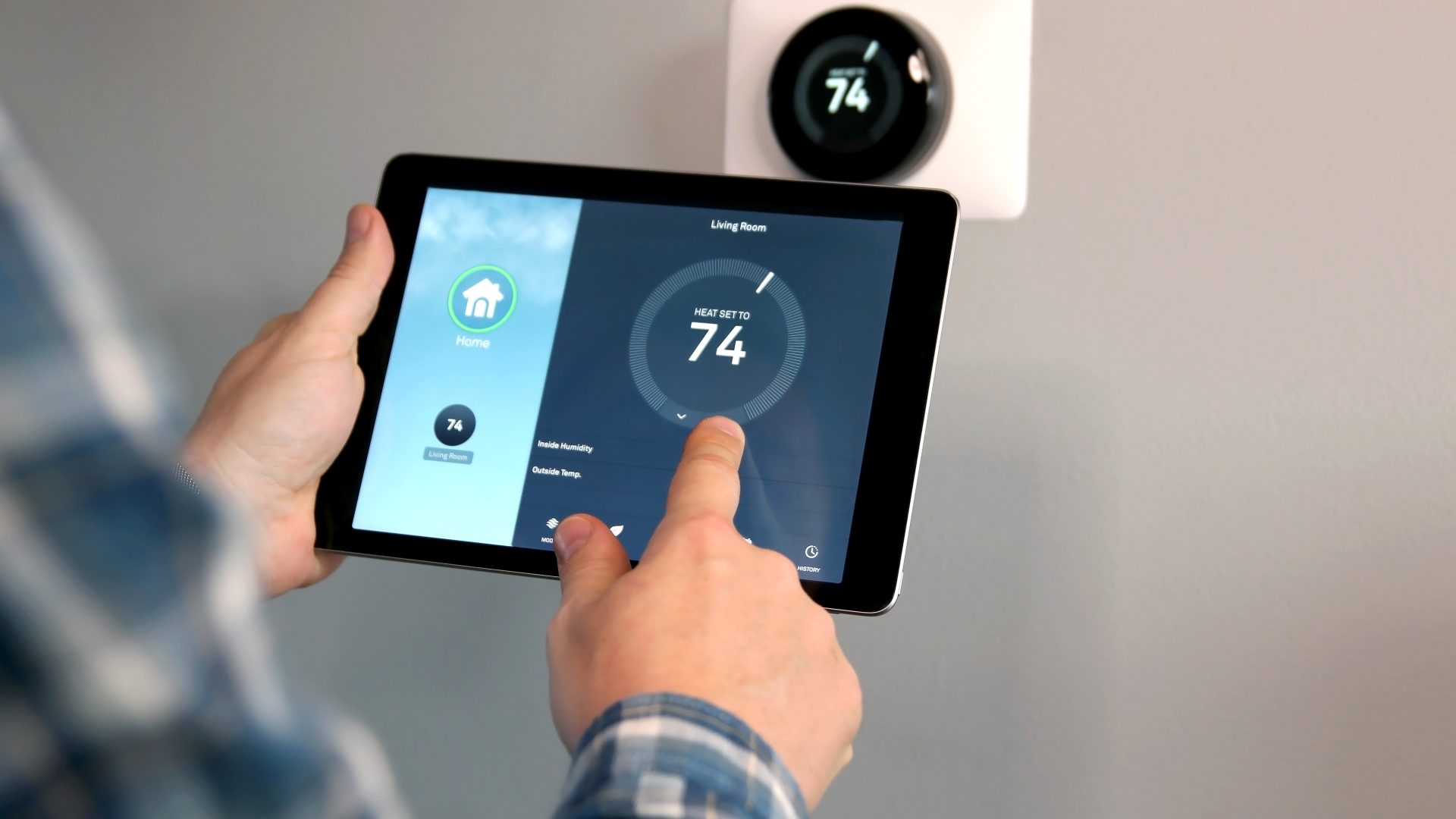
1. Check the Thermostat Settings
Before assuming there is a mechanical problem, confirm that your thermostat is set correctly. Common mistakes include:
- Thermostat set to “cool” instead of “heat”
- Temperature set lower than the room temperature
- Thermostat in “off” mode
- Batteries in battery-operated thermostats are dead
Ensuring that your thermostat is functioning properly can sometimes resolve furnace issues without further intervention. If the thermostat appears faulty, replacing the batteries or the unit itself may prevent an unnecessary service visit.
2. Inspect the Furnace Filter
A dirty or clogged furnace filter is one of the most common causes of airflow problems and inefficient heating. Reduced airflow can make the furnace work harder, leading to overheating or short cycling.
Check your filter for:
- Dust buildup
- Visible debris
- Discoloration indicating it is past its useful life
Replacing a dirty filter is a quick and inexpensive step that often restores proper furnace operation. Most manufacturers recommend checking filters monthly during peak usage seasons.
3. Ensure Proper Power Supply
A furnace will not operate if it is not receiving power. Before calling for a repair, confirm that the furnace has electricity:
- Check circuit breakers and fuses for tripped or blown circuits
- Ensure the furnace switch, typically located near the unit, is turned on
- Inspect visible wiring for obvious damage or loose connections
Addressing simple power issues can prevent unnecessary service calls and help the technician focus on actual mechanical problems when they arrive.
4. Inspect the Pilot Light or Ignition System
Older furnaces may have a pilot light, while modern models use electronic ignition. In either case, a malfunction in the ignition system can prevent the furnace from starting.
For a pilot light:
- Ensure the flame is lit and blue; a yellow flame may indicate a combustion issue
- Follow manufacturer guidelines for relighting if it has gone out
For electronic ignition systems:
- Observe if the system attempts to ignite but fails repeatedly
- Avoid attempting complex repairs yourself to prevent safety hazards
If the ignition appears faulty, a professional inspection is necessary to restore safe operation.
5. Check for Airflow Obstructions
Furnaces rely on unobstructed airflow to function efficiently. Blocked vents or registers, closed dampers, or furniture blocking airflow can reduce system performance and create uneven heating.
- Ensure all supply and return vents are open and unobstructed
- Verify that dampers in ductwork are properly positioned
- Remove any objects that may block airflow
Clearing obstructions can restore balanced heating and prevent unnecessary strain on the furnace.
6. Listen for Unusual Noises or Odors
Pay attention to sounds or smells coming from the furnace. Loud bangs, grinding noises, or metallic scraping often indicate mechanical problems requiring professional attention. Persistent burning smells or unusual odors may point to electrical or combustion issues that should not be ignored.
Documenting these observations can help the technician diagnose the problem more efficiently during the service visit.
7. Consider Recent System Performance
Reflect on how the furnace has been performing over the past few days or weeks. Issues such as:
- Short cycling (turning on and off frequently)
- Uneven heating throughout the home
- Increased energy bills
- Delayed heat production
These observations help identify whether the problem is minor or may require more extensive repairs.
Conclusion
Performing a few simple checks before scheduling a furnace repair visit can save time, reduce costs, and provide valuable information to the technician. Checking your thermostat, filters, power supply, ignition system, airflow, and noting unusual noises or odors can help identify minor issues and ensure your furnace repair is handled efficiently.
Since 1997, D-N-D Services has been providing Rockwall, Garland, Rowlett, Heath, Greenville, Dallas, and surrounding communities with residential and commercial heating repair, maintenance, and installations. Our NATE-certified technicians, backed by a Texas HVAC license and an A+ BBB rating, deliver professional evaluations and repairs to restore comfort, safety, and reliable furnace performance throughout the home.
D-N-D Services Heating & Air Conditioning is the premier choice for HVAC services in Rockwall. With a team of highly trained and certified technicians, we have the expertise to handle all of your heating, ventilation, and air conditioning needs. Our commitment to customer satisfaction is unmatched, and we always go above and beyond to ensure that your experience with us is positive. We use only the highest quality parts and equipment to ensure that your HVAC system is running at peak performance. Plus, we offer competitive pricing and flexible scheduling to fit your needs. Choose D-N-D Services Heating & Air Conditioning for all of your HVAC needs in Rockwall.
