
Foam-insulated homes are becoming increasingly popular for their energy efficiency, improved comfort, and airtight construction. Spray foam insulation provides superior thermal resistance, reduces air leaks, and creates a more consistent indoor temperature. However, while these homes offer many benefits, they also present unique challenges for heating, ventilation, and air conditioning (HVAC) systems. Handling HVAC in foam-insulated homes requires specialized knowledge, experience, and a careful approach. Choosing an experienced HVAC contractor is essential to ensure your system performs efficiently and maintains a comfortable environment.
Why Foam-Insulated Homes Are Different
Unlike traditional fiberglass or cellulose insulation, spray foam creates an airtight seal that prevents air infiltration. While this reduces energy waste and keeps homes comfortable, it also changes how air moves throughout the house. Standard HVAC designs may not work properly in foam-insulated homes, leading to uneven cooling, excessive humidity, or overworked systems. Contractors must understand how these insulation characteristics affect load calculations, airflow, and system design.
Accurate Load Calculations Are Critical
One of the most important steps in servicing or installing HVAC systems in foam-insulated homes is performing precise load calculations. Because foam insulation reduces heat gain and loss, older calculation assumptions may overestimate the capacity required for heating or cooling. An experienced contractor will perform a professional Manual J load calculation to determine the exact system size needed. Properly sized equipment ensures:
- Efficient operation without short cycling.
- Even temperatures throughout the home.
- Reduced energy consumption and lower utility bills.
- Longer lifespan for HVAC components.
Oversized or undersized equipment can compromise comfort and cause unnecessary strain on the system.
Ductwork Design and Placement
Foam-insulated homes often have tighter building envelopes, which can affect ductwork design. Properly sized and positioned ducts are essential for optimal airflow. Experienced HVAC contractors evaluate the layout to prevent:
- Pressure imbalances caused by overly tight or restrictive ducts.
- Poor air distribution to certain rooms or areas.
- Excessive noise from high-velocity airflow.
- Increased wear on blower motors from restricted movement.
In some cases, contractors may recommend ductless solutions or redesign certain portions of the duct system to ensure balanced airflow.
Managing Indoor Air Quality
A tight, foam-insulated home can trap pollutants, humidity, and odors if ventilation is not properly addressed. Experienced contractors consider:
- Installing energy recovery ventilators (ERVs) or heat recovery ventilators (HRVs).
- Ensuring proper humidity control to prevent mold or mildew growth.
- Using high-efficiency filtration systems to improve air quality.
- Regular duct cleaning and inspections.
Maintaining healthy indoor air quality is essential for both comfort and the long-term performance of the HVAC system.
Specialized System Knowledge
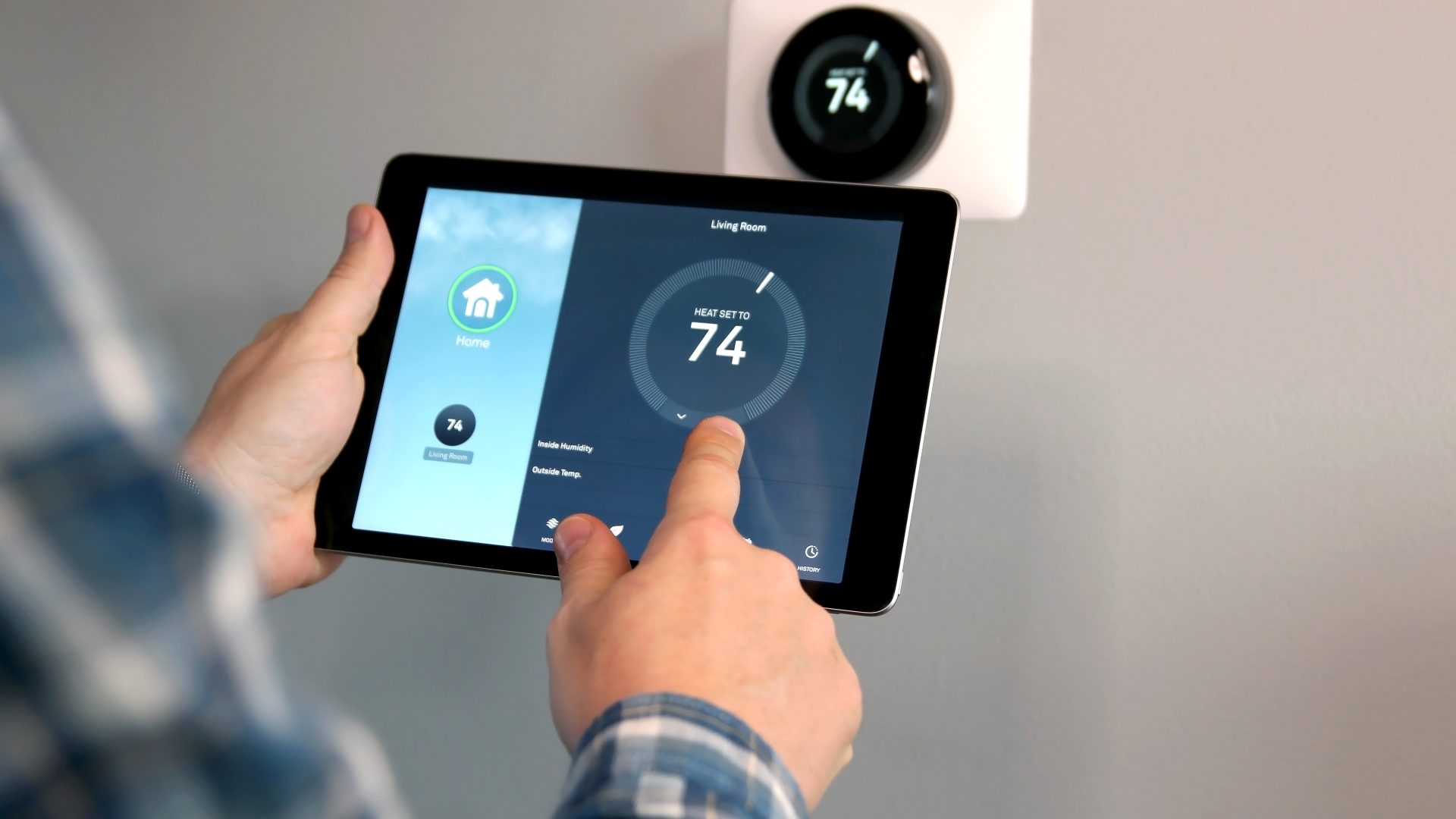
Foam-insulated homes often require modern, high-efficiency HVAC systems capable of adapting to tight building envelopes. Experienced contractors are familiar with advanced equipment such as variable-speed air handlers, multi-stage compressors, and communicating thermostats. This expertise ensures that:
- Cooling and heating are consistent throughout the home.
- Energy usage is optimized.
- Noise is minimized.
- System longevity is preserved.
A contractor who understands the nuances of foam-insulated homes can recommend the best system for your specific needs.
Preventing Common Problems
Without proper expertise, HVAC systems in foam-insulated homes may encounter issues such as short cycling, uneven temperatures, or excessive humidity. Experienced contractors proactively prevent these problems by:
- Inspecting existing equipment before retrofits.
- Balancing airflow to all rooms.
- Adjusting system controls for optimal efficiency.
- Ensuring proper ventilation and air exchange.
Preventive measures save homeowners time, money, and frustration.
Conclusion
Foam-insulated homes offer exceptional energy efficiency and comfort, but they also require specialized HVAC knowledge. Experienced contractors understand how to design, install, and maintain systems that meet the unique demands of these homes. From accurate load calculations and ductwork design to advanced equipment selection and indoor air quality management, professional expertise ensures your HVAC system operates efficiently and reliably. Homeowners with foam-insulated properties can enjoy consistent comfort, lower energy bills, and long-lasting system performance by choosing a contractor with proven experience in this field.
D-N-D Services Heating & Air Conditioning is the premier choice for HVAC services in Rockwall. With a team of highly trained and certified technicians, we have the expertise to handle all of your heating, ventilation, and air conditioning needs. Our commitment to customer satisfaction is unmatched, and we always go above and beyond to ensure that your experience with us is positive. We use only the highest quality parts and equipment to ensure that your HVAC system is running at peak performance. Plus, we offer competitive pricing and flexible scheduling to fit your needs. Choose D-N-D Services Heating & Air Conditioning for all of your HVAC needs in Rockwall.
