
Have you ever noticed that one room in your home feels too warm while another stays uncomfortably cold? Uneven indoor temperatures are a common problem for homeowners, especially during the hot Texas summers and colder winter months. Even when your air conditioner or heating system appears to be working properly, certain areas of your home may never reach the temperature you want.
These hot and cold spots can result from several issues, including restricted airflow, leaking ductwork, inadequate insulation, thermostat placement, or an improperly sized HVAC system. Identifying the underlying cause is important because adjusting the thermostat alone may not solve the problem.
An experienced HVAC contractor can evaluate your home’s heating and cooling performance, inspect the equipment and ductwork, and recommend practical solutions to improve comfort. For homeowners in Rockwall and surrounding communities, D-N-D Services provides professional HVAC inspections, maintenance, duct services, and energy efficiency evaluations to help identify the causes of uneven indoor temperatures.
Why Hot and Cold Spots Develop in Your Home
Before recommending repairs, an HVAC contractor must understand why different rooms experience different temperatures. Several factors can contribute to uneven heating and cooling, and more than one issue may be present at the same time.
Common causes include:
- Restricted airflow: Blocked vents, dirty air filters, or damaged ductwork can prevent conditioned air from reaching certain rooms.
- Leaking ducts: Gaps and disconnected duct sections can allow heated or cooled air to escape before reaching its destination.
- Poor insulation: Inadequate insulation allows outdoor temperatures to influence indoor spaces more easily.
- Sunlight exposure: Rooms with large windows or direct afternoon sunlight may gain more heat than shaded areas.
- Improper HVAC sizing: Equipment that is too large or too small for the property may struggle to maintain consistent temperatures.
- Thermostat location: A thermostat near a sunny window, draft, or heat-producing appliance may not accurately represent the temperature throughout the home.
An HVAC contractor evaluates these potential causes to determine which factors are affecting your home’s comfort.
How an HVAC Contractor Inspects Your HVAC System
A professional evaluation generally begins with a review of your comfort concerns and an inspection of the existing heating and cooling equipment. The contractor will want to understand when the temperature differences occur, which rooms are affected, and whether the problem happens during cooling, heating, or both.
Reviewing Your Temperature Concerns
Your observations can provide valuable information about the source of the problem. For example, an upstairs bedroom that becomes hot every afternoon may have different contributing factors than a downstairs room that remains cold throughout the winter.
An HVAC contractor may ask questions such as:
- Which rooms are consistently too hot or too cold?
- Do temperature differences occur at particular times of day?
- Does the problem happen during both heating and cooling seasons?
- Have you noticed weak airflow from certain vents?
- Have your energy bills increased unexpectedly?
- Has the home recently undergone renovations or HVAC equipment replacement?
These details help the contractor narrow down possible causes and determine which inspections or measurements are needed.
Checking the Air Conditioning and Heating Equipment
The contractor will inspect the HVAC system to determine whether it is operating as intended. A system that cannot produce the correct amount of heating or cooling may struggle to maintain comfortable temperatures in every room.
Depending on the equipment and reported symptoms, the inspection may include checking:
- Air filters and the condition of accessible coils.
- Blower motor operation and airflow settings.
- Refrigerant performance during cooling operation.
- Heating components and safety controls.
- Thermostat settings and system cycling.
- Electrical connections and other relevant mechanical components.
If the equipment has a mechanical problem, correcting it may improve temperatures throughout the home. However, if the system operates properly, the contractor may need to investigate ductwork, insulation, and building conditions.
Evaluating Airflow and Ductwork
Ductwork distributes conditioned air from your HVAC system to individual rooms. When the duct system is poorly designed, damaged, or improperly balanced, some rooms may receive too much air while others receive too little.
Measuring Airflow at Individual Vents
An HVAC contractor may use specialized instruments to measure the airflow coming from supply registers. Comparing airflow between rooms can help identify areas that are not receiving enough conditioned air.
For example, if a bedroom remains hot despite the air conditioner running, the contractor may discover that the supply vent delivers significantly less air than vents in other rooms.
The contractor may investigate several possibilities:
- A closed or obstructed supply register.
- A dirty filter or restricted return-air pathway.
- A crushed, disconnected, or poorly installed duct.
- Excessive resistance within the duct system.
- An airflow imbalance between different branches of the ductwork.
These measurements help determine whether airflow adjustments, duct repairs, or additional testing are necessary.
Inspecting Duct Leaks and Insulation
Leaking ducts can allow conditioned air to escape into attics, garages, crawl spaces, or other unconditioned areas. Ducts that lack sufficient insulation may also gain or lose heat as air travels through them.
An HVAC contractor can inspect accessible ductwork for damaged connections, deteriorating insulation, and other problems. Depending on the circumstances, the contractor may recommend duct leakage testing to measure how much air escapes from the system.
D-N-D Services provides duct replacement and installation, duct leakage assessments, and related HVAC services in Rockwall and surrounding areas. Addressing duct problems can help improve airflow and reduce unnecessary energy waste.
Assessing Insulation and Air Leaks
Even a properly functioning HVAC system may struggle to maintain consistent temperatures when a home has inadequate insulation or significant air leakage.
Heat can enter through exterior walls, ceilings, windows, and attic spaces during summer. In winter, heat can escape through these same areas, making some rooms harder to keep warm.
An HVAC contractor evaluating hot and cold spots may inspect accessible areas for signs of insulation problems or recommend a more detailed building energy assessment.
Checking Attic and Wall Insulation
Attics are particularly important in Texas homes because roof surfaces can absorb substantial amounts of solar heat. If attic insulation is insufficient, rooms directly below the attic may become noticeably warmer.
The contractor may look for:
- Missing or uneven insulation in accessible attic areas.
- Gaps around attic access points and ceiling penetrations.
- Poorly insulated ductwork located in unconditioned spaces.
- Signs of air leakage around windows and exterior doors.
- Differences in insulation between renovated and older sections of the home.
Depending on the findings, improvements may involve adding insulation, sealing air leaks, or repairing ductwork.
For a more comprehensive evaluation, a qualified energy assessor can examine the building envelope and recommend improvements based on the home’s construction and energy performance.
Evaluating Thermostat Placement and Temperature Differences
Your thermostat controls when your HVAC system operates based on the temperature it senses. If it is installed in a location that does not represent the conditions in the rest of the home, it may cause uneven comfort.
For example, a thermostat located near a sunny window may register a temperature that is higher than the temperature in the surrounding rooms. In response, the air conditioner may continue running longer than necessary for other areas.
An HVAC contractor may evaluate:
- Whether the thermostat is exposed to direct sunlight.
- Whether nearby appliances or lighting affect its temperature readings.
- Whether drafts influence the thermostat’s sensor.
- Whether the thermostat is operating and communicating correctly.
- Whether additional temperature monitoring is needed in other rooms.
A properly positioned thermostat can help improve system control, but relocating it will not necessarily resolve problems caused by inadequate insulation, poor duct design, or restricted airflow.
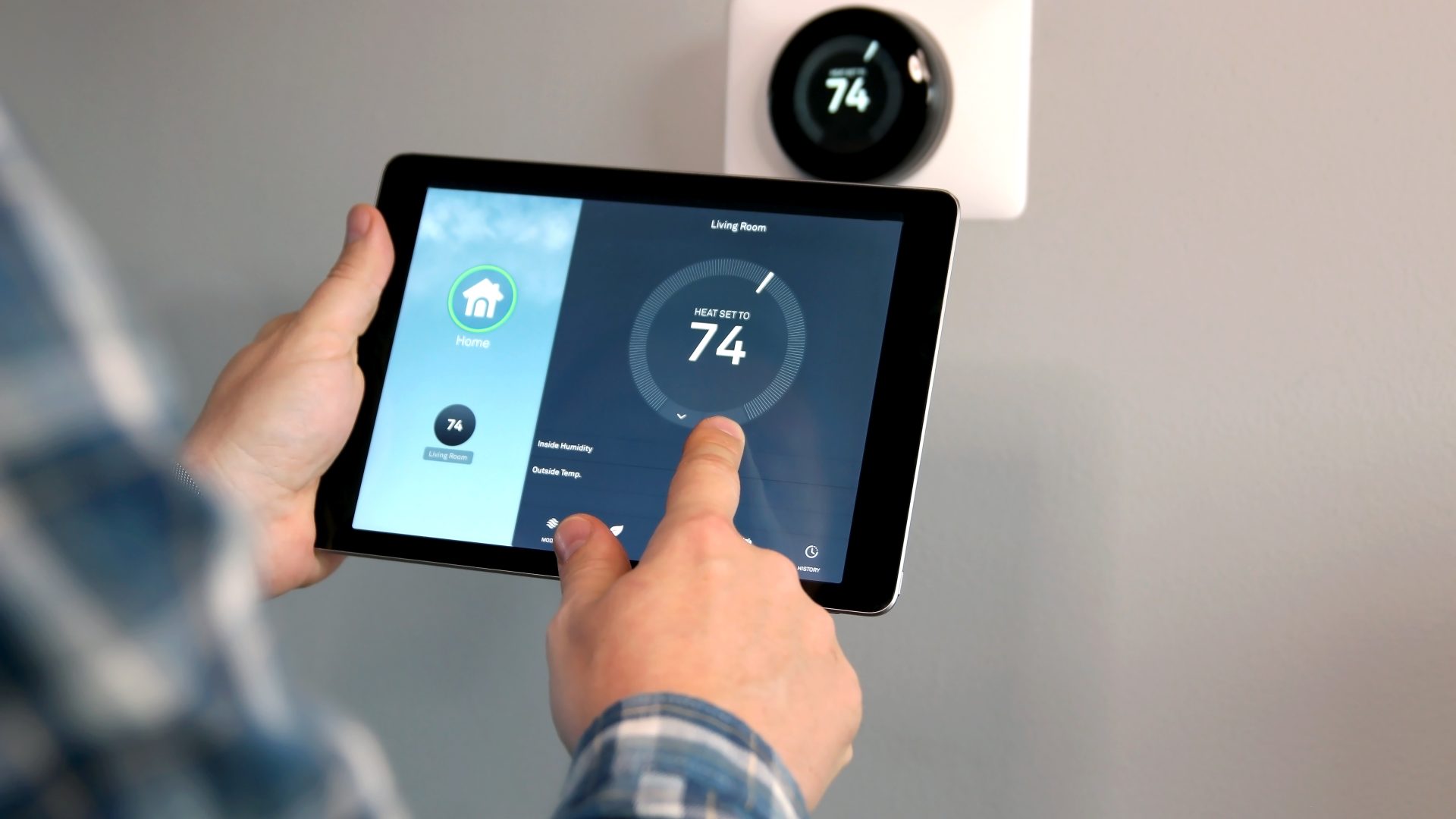
In some homes, a zoning system or compatible smart thermostat may help manage different comfort needs. However, these options should be considered only after evaluating the existing HVAC equipment and ductwork.
Determining Whether Your HVAC System Is Properly Sized
An HVAC system must have the appropriate capacity to meet the heating and cooling demands of the home. Equipment that is too small may struggle to maintain comfortable temperatures during extreme weather. An oversized system may cool certain areas quickly without running long enough to remove sufficient indoor moisture.
An HVAC contractor can review the equipment specifications and evaluate the home’s heating and cooling requirements.
Professional Manual J load calculations consider factors such as:
- The home’s square footage and layout.
- Insulation levels and air leakage.
- Window size, orientation, and exposure to sunlight.
- Local outdoor design temperatures.
- Occupancy and other relevant internal heat sources.
These calculations help determine the appropriate equipment capacity. If the system is incorrectly sized, the contractor can explain the available options, which may include ductwork modifications, airflow adjustments, zoning improvements, or equipment replacement when justified.
Replacing an HVAC system without investigating the underlying cause of uneven temperatures may leave the original problem unresolved.
Solutions an HVAC Contractor May Recommend
Once the evaluation is complete, the contractor can recommend repairs or improvements based on the specific findings. Not every hot or cold spot requires an expensive upgrade. In many cases, a relatively straightforward correction may improve comfort.
Potential solutions include:
- Replacing a dirty air filter: A clean, correctly sized filter can help restore proper airflow.
- Repairing duct leaks: Sealing disconnected joints and damaged sections can help deliver more conditioned air to the intended rooms.
- Balancing the duct system: Adjusting airflow distribution may help reduce temperature differences between rooms.
- Improving insulation: Adding insulation in appropriate areas can reduce unwanted heat transfer.
- Correcting thermostat problems: Repairing or relocating the thermostat may improve temperature control when its position or operation is contributing to the issue.
- Maintaining HVAC equipment: Cleaning components and correcting mechanical problems can help restore normal system performance.
- Considering zoning or equipment upgrades: When simpler solutions are insufficient, a contractor may recommend more extensive improvements based on the home’s needs.
The best solution depends on the cause of the problem, the condition of the existing system, and the property’s construction.
Why Professional HVAC Evaluations Matter
Hot and cold spots can have multiple causes, making it difficult to identify the right solution through guesswork alone. Closing vents in cooler rooms, repeatedly lowering the thermostat, or replacing equipment without a proper diagnosis may fail to address the underlying problem.
A professional HVAC evaluation combines your observations with equipment inspections, airflow measurements, ductwork assessments, and other relevant tests.
D-N-D Services has been serving Rockwall and surrounding communities since 1997. The company provides residential and commercial heating and cooling repair, maintenance, inspections, duct services, and energy efficiency evaluations. Its NATE-certified technicians work with all major HVAC brands.
Whether your home has a consistently warm upstairs bedroom, a cold living room during winter, or uneven temperatures throughout the property, a professional inspection can help identify the cause and determine which improvements are appropriate.
Conclusion
An HVAC contractor evaluates hot and cold spots in your home by examining the heating and cooling equipment, measuring airflow, inspecting ductwork, assessing insulation, checking thermostat operation, and reviewing the system’s capacity. These steps help distinguish mechanical problems from issues involving the home’s construction or air distribution.
Addressing the actual cause of uneven temperatures can improve indoor comfort, support efficient HVAC operation, and reduce unnecessary energy waste. Regular maintenance and timely repairs can also help prevent smaller problems from becoming more disruptive.
For homeowners in Rockwall, Rowlett, Heath, Garland, Mesquite, and surrounding communities, D-N-D Services offers professional HVAC inspections, repairs, ductwork services, and energy efficiency evaluations. If some rooms in your home never seem to reach the right temperature, scheduling a professional assessment is a practical first step toward identifying the problem and restoring more consistent comfort.
D-N-D Services Heating & Air Conditioning is the premier choice for HVAC services in Rockwall. With a team of highly trained and certified technicians, we have the expertise to handle all of your heating, ventilation, and air conditioning needs. Our commitment to customer satisfaction is unmatched, and we always go above and beyond to ensure that your experience with us is positive. We use only the highest quality parts and equipment to ensure that your HVAC system is running at peak performance. Plus, we offer competitive pricing and flexible scheduling to fit your needs. Choose D-N-D Services Heating & Air Conditioning for all of your HVAC needs in Rockwall.
