
Your HVAC system depends on several components working together to keep your home or business comfortable throughout the year. One of the most important parts is the blower, which moves heated or cooled air through the ductwork and into your living spaces. When the HVAC blower stops working properly, you may notice weak airflow, uneven temperatures, unusual noises, or a complete lack of air coming from your vents.
Understanding what causes blower problems can help you recognize the warning signs and determine when professional HVAC repair is necessary. For homeowners and business owners in Rockwall, Texas, and surrounding North Texas communities, addressing blower issues promptly can help restore comfort and prevent additional strain on the heating and cooling system.
Understanding How an HVAC Blower Works
The Role of the Blower Motor
The blower motor powers the fan that circulates air throughout your HVAC system. During cooling, it moves indoor air across the evaporator coil and distributes the conditioned air through the ductwork. During heating, it helps circulate warm air from the furnace or other heating equipment into your home.
If the blower motor or one of its supporting components fails, the system may struggle to maintain comfortable indoor temperatures. In some cases, the equipment may shut down to protect itself from overheating or other operating problems.
Common Signs of Blower Trouble
Blower problems can appear in several ways. You might notice that the air conditioner or furnace runs but little or no air comes from the vents. Other warning signs include intermittent airflow, rattling or squealing noises, unusual vibrations, and a system that repeatedly turns on and off.
Sometimes, the blower continues running but cannot move enough air to keep the home comfortable. These symptoms can have several causes, so a professional inspection may be needed to identify the underlying problem.
Common Causes of HVAC Blower Problems
A Dirty or Clogged Air Filter
One of the most common reasons for poor HVAC airflow is a dirty air filter. Filters capture dust, pet hair, and other airborne particles before they enter the system. Over time, accumulated debris can restrict airflow and force the blower to work harder.
Restricted airflow can reduce heating and cooling performance and may contribute to an overheated blower motor. In cooling mode, severe airflow restrictions can also cause the evaporator coil to freeze.
Check your air filter regularly and replace it according to the manufacturer’s recommendations. Homes with pets, significant dust, or frequent HVAC use may require more frequent filter changes. Always use a filter compatible with your equipment and avoid choosing a filter that restricts airflow beyond what the system is designed to handle.
A Faulty Blower Motor
The blower motor can wear out after years of regular operation. Electrical problems, excessive heat, bearing wear, and prolonged strain can all contribute to motor failure.
A failing motor may produce humming, grinding, or squealing sounds. It might also start intermittently, run at an inconsistent speed, or stop working entirely.
If the blower motor has failed, a qualified HVAC technician can test the motor and related electrical components to determine whether repair or replacement is appropriate. Turning the system off when you notice burning odors or unusual electrical noises can help reduce the risk of further damage.
A Defective Capacitor
Some HVAC blower motors use a capacitor to help them start and operate correctly. If the capacitor weakens or fails, the motor may struggle to start, hum without spinning, or stop operating altogether.
A faulty capacitor can resemble a failed blower motor, which is why proper testing is important before replacing parts. Capacitors can retain an electrical charge even when the equipment is switched off, so they should only be inspected or replaced by someone qualified to work safely with HVAC electrical components.
Electrical Problems or Wiring Issues
The blower depends on a reliable electrical supply and properly functioning controls. Loose connections, damaged wiring, a tripped circuit breaker, a failed relay, or a malfunctioning control board can interrupt blower operation.
For example, the thermostat may call for heating or cooling, but the blower may not receive the signal or power needed to operate. In other cases, the blower may stop unexpectedly or run continuously when it should turn off.
Repeatedly resetting a tripped breaker is not a suitable solution. If the breaker trips again, leave the system off and arrange for a qualified technician to investigate the cause.
A Dirty Blower Wheel
The blower wheel, sometimes called the squirrel-cage fan, is responsible for moving air through the HVAC system. Dust and debris can collect on its blades, reducing airflow and affecting the balance of the wheel.
When buildup becomes excessive, the blower may produce vibrations, unusual noises, or weaker airflow. A dirty wheel can also increase the workload on the motor.
Professional cleaning may restore proper airflow when contamination is the cause. During an inspection, a technician can also check for damaged blades, loose mounting hardware, or other mechanical issues.
Thermostat or Control Board Malfunctions
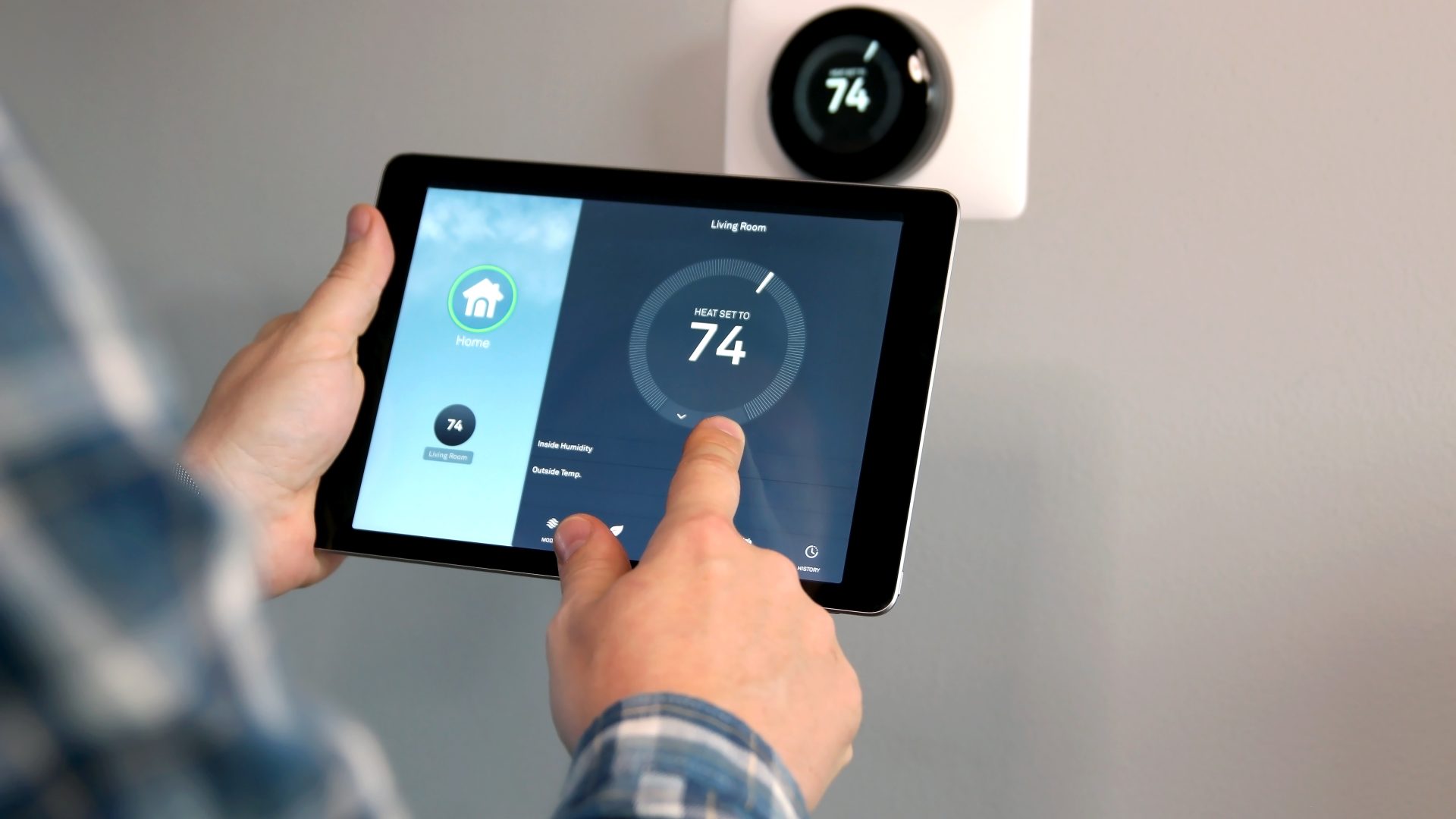
The thermostat communicates with the HVAC system to request heating, cooling, and fan operation. If its settings are incorrect, its batteries are depleted, or the thermostat itself malfunctions, the blower may not operate as expected.
The control board coordinates many system functions. A defective board, damaged connection, or failed relay may prevent the blower from starting or cause irregular operation.
Before arranging service, check that the thermostat is set to the correct mode and that the fan setting is appropriate. If the settings appear correct but the blower still does not respond, professional diagnosis can help distinguish a thermostat problem from an internal equipment failure.
How Ductwork and Airflow Restrictions Affect the Blower
Blocked or Leaking Ducts
The blower needs a properly designed and unobstructed duct system to circulate air effectively. Closed or blocked supply vents, crushed duct sections, dirty return grilles, and undersized ductwork can interfere with airflow.
Leaking or poorly connected ducts can also reduce the amount of conditioned air reaching the rooms that need it. Depending on the location and severity of the problem, duct issues may contribute to uneven temperatures and additional strain on HVAC equipment.
D-N-D Services provides duct replacement, duct installation, duct cleaning, and duct leakage assessments in Rockwall and surrounding areas. Evaluating the ductwork alongside the blower can help identify airflow problems that might otherwise go unnoticed.
Frozen Evaporator Coils
A frozen evaporator coil can restrict airflow and make the blower appear to be malfunctioning. Ice buildup may result from a dirty air filter, inadequate airflow, low refrigerant caused by a leak, or other system problems.
If you notice ice on the indoor unit or refrigerant lines, turn off the cooling function and contact an HVAC professional. Do not attempt to chip away the ice, as doing so may damage the equipment. A technician can determine why the coil froze and recommend the appropriate repair.
How to Prevent HVAC Blower Problems
Schedule Regular HVAC Maintenance
Routine maintenance can help identify blower problems before they cause a complete system shutdown. During a maintenance visit, a technician can inspect the blower motor, check electrical connections, evaluate airflow, clean applicable components, and look for signs of wear.
Regular service also provides an opportunity to identify other problems that may affect system performance, including dirty coils, restricted filters, and ductwork deficiencies.
D-N-D Services offers HVAC maintenance, inspections, and repair services for residential and commercial properties. Its NATE-certified technicians receive ongoing factory training and service all major HVAC brands.
Pay Attention to Unusual Sounds and Airflow Changes
Small changes in blower performance can provide early clues that something is wrong. If certain rooms receive less airflow than usual, the system starts making new noises, or the blower operates inconsistently, arrange an inspection before the issue becomes more serious.
Avoid opening electrical compartments or attempting repairs involving motors, capacitors, or control boards unless you are qualified to perform that work. Professional troubleshooting helps protect both your equipment and your safety.
When to Call an HVAC Professional
If the blower does not start, stops unexpectedly, makes grinding noises, or produces noticeably weak airflow despite a clean filter, it is time to seek professional assistance. Prompt diagnosis can help determine whether the issue involves a motor, capacitor, wiring, control system, blower wheel, or ductwork.
D-N-D Services has served Rockwall and surrounding North Texas communities since 1997, providing air conditioning and heating repair, system inspections, maintenance, and duct services for homes and businesses. The company evaluates existing equipment to determine whether a repair can resolve the problem before recommending a replacement.
Whether your system is a newer high-efficiency model or an older unit, professional service can help restore reliable airflow and support efficient operation.
Conclusion
An HVAC blower can stop working properly for several reasons, including a clogged air filter, failing motor, defective capacitor, electrical fault, dirty blower wheel, thermostat malfunction, or restricted ductwork. Frozen evaporator coils and other airflow problems can also affect blower performance.
Replacing filters regularly, scheduling routine maintenance, and responding quickly to unusual noises or airflow changes can help prevent more serious issues. When the cause is unclear or the blower stops operating altogether, a qualified HVAC technician can identify the problem and recommend the right solution.
For homeowners and businesses in Rockwall and surrounding North Texas communities, D-N-D Services provides professional HVAC repair, maintenance, and airflow evaluations to help keep heating and cooling systems operating reliably.
D-N-D Services Heating & Air Conditioning is the premier choice for HVAC services in Rockwall. With a team of highly trained and certified technicians, we have the expertise to handle all of your heating, ventilation, and air conditioning needs. Our commitment to customer satisfaction is unmatched, and we always go above and beyond to ensure that your experience with us is positive. We use only the highest quality parts and equipment to ensure that your HVAC system is running at peak performance. Plus, we offer competitive pricing and flexible scheduling to fit your needs. Choose D-N-D Services Heating & Air Conditioning for all of your HVAC needs in Rockwall.
