
Installing a new air conditioning system is only the beginning of ensuring reliable indoor comfort. Once the equipment has been installed, it should be checked and tested to confirm that all components are operating correctly. This process is commonly referred to as commissioning. Proper commissioning helps identify installation problems, verify system performance, and make sure the new air conditioner is ready for regular operation.
A professional HVAC contractor should not simply turn on a newly installed system and leave. Several aspects of the installation should be evaluated, including airflow, electrical operation, temperature performance, refrigerant conditions, controls, and overall system functionality.
Why AC Commissioning Is Important
Even high-quality air conditioning equipment can perform poorly if it has not been installed or adjusted correctly. Commissioning provides an opportunity to verify that the equipment and installation work together as intended.
Proper testing can help:
- Identify installation problems before they become larger issues.
- Confirm that the system is operating safely.
- Verify appropriate airflow.
- Check temperature performance.
- Confirm proper electrical operation.
- Verify thermostat and control functions.
- Identify potential ductwork problems.
- Establish useful baseline performance information.
Commissioning is particularly important for new high-efficiency equipment because proper installation and setup can influence whether the system achieves its expected performance.
Electrical System Testing
The electrical components of a new AC system should be inspected and tested after installation. The technician can verify that the equipment is receiving the appropriate electrical supply and that connections are secure.
Electrical Checks May Include
- Measuring voltage at appropriate points.
- Checking electrical connections.
- Evaluating operating current.
- Inspecting the disconnect.
- Checking breakers and related electrical components.
- Examining wiring for installation concerns.
If electrical readings are outside the equipment’s expected operating range, further investigation may be necessary before the system is placed into regular service.
Refrigerant System Checks
For applicable air conditioning systems, refrigerant-related commissioning is another important part of the installation process. The technician should verify that the system has the appropriate refrigerant charge and that the refrigerant circuit is operating correctly.
Potential issues such as leaks, improper charging, or installation problems can affect cooling performance and efficiency.
A professional HVAC technician may evaluate operating pressures and temperatures along with other manufacturer-specified measurements. These checks help determine whether the system is operating within appropriate parameters.
Measuring Supply and Return Air Temperatures
One of the basic ways to evaluate an air conditioner’s cooling performance is to measure the temperature of the air entering and leaving the equipment.
The technician can compare supply and return air conditions to determine whether the system is producing the expected cooling effect.
However, temperature difference alone does not tell the entire story. Outdoor conditions, indoor humidity, airflow, equipment type, and other factors can affect measurements. This is why commissioning should involve multiple tests rather than relying on one number.
Checking Airflow
Proper airflow is essential for an air conditioning system. If airflow is too low or improperly distributed, the system may not cool the home evenly and may experience operational problems.
Commissioning may include checking airflow at the equipment and evaluating air distribution through the duct system.
Airflow Problems Can Result From
- Incorrectly sized or restricted ductwork.
- Dirty or improperly installed filters.
- Closed or obstructed registers.
- Duct leakage.
- Blower-related problems.
- Improper system setup.
D-N-D Services provides duct leakage assessments, duct cleaning, duct replacement and installation, and residential energy-efficiency audits. These services can help address airflow concerns that may become apparent during an AC installation or performance evaluation.
Thermostat and Control Testing
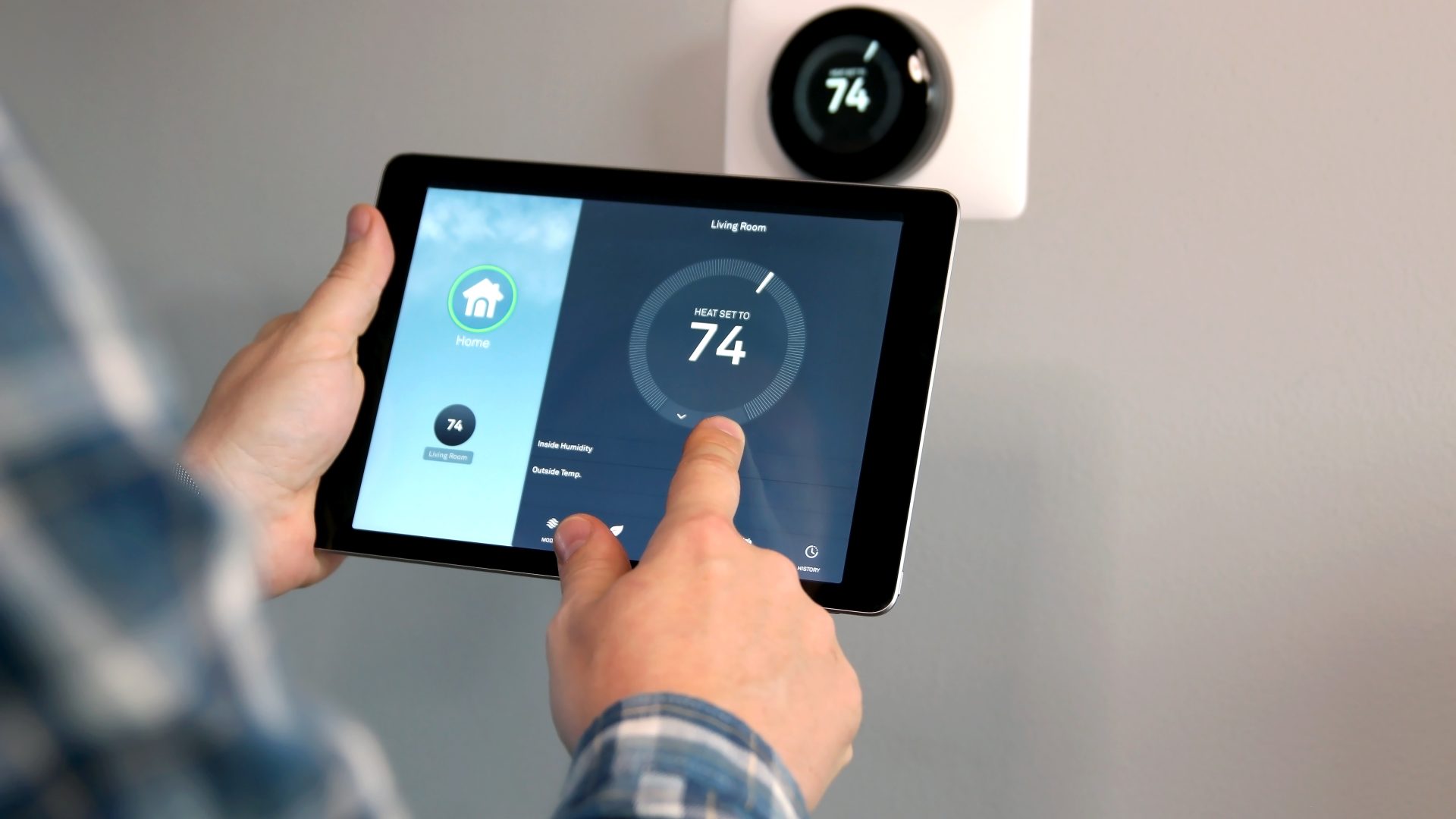
The thermostat serves as an important control point for the HVAC system. After installation, the technician should verify that the thermostat communicates properly with the equipment and responds appropriately to calls for cooling.
Depending on the system, commissioning may include checking:
- Cooling operation.
- Fan operation.
- Temperature settings.
- System staging.
- Programmable or communicating functions.
- Safety and control responses.
For advanced communicating systems, proper configuration can be especially important. D-N-D Services has experience with high-efficiency and communicating systems, including Carrier Infinity equipment.
Checking Ductwork and Air Distribution
A new air conditioner cannot provide its expected performance if conditioned air is being lost through damaged or leaking ducts. The duct system should therefore be considered part of the overall installation.
A technician may inspect accessible ductwork and look for obvious signs of leakage, damage, disconnection, or inadequate insulation.
If significant duct leakage is suspected, professional testing can provide more information. D-N-D Services offers duct leakage assessments and duct services for residential customers.
Checking Condensate Drainage
Air conditioning systems remove moisture from indoor air as they operate. That moisture must be properly collected and drained away.
The condensate drain and related components should be checked during commissioning to verify that water can leave the system appropriately. Poor drainage can contribute to water leaks and property damage.
A technician may inspect the drain arrangement and confirm that the system is operating properly during cooling operation.
Inspecting Safety Controls
A newly installed AC system should also be checked for proper operation of applicable safety controls. These controls are designed to help protect the equipment and property when abnormal operating conditions occur.
The exact tests performed will depend on the equipment and installation. A qualified technician can follow the manufacturer’s requirements and applicable installation procedures when verifying these functions.
Verifying System Performance Under Operating Conditions
After individual components have been inspected, the complete system should be operated and evaluated. This provides the technician with an opportunity to determine whether the equipment, controls, electrical components, airflow, and ductwork are working together properly.
The technician may document operating measurements so there is a baseline for future maintenance and troubleshooting.
This can be particularly helpful if a performance concern develops later. Having commissioning information available can make it easier to determine whether operating conditions have changed.
Why Professional AC Commissioning Matters
Commissioning requires more than simply observing whether cold air comes from the vents. HVAC technicians need to understand the equipment specifications, installation requirements, electrical components, refrigerant circuit, airflow, controls, and ductwork.
D-N-D Services has been servicing HVAC equipment in Rockwall and surrounding areas since 1997. The company provides AC installation, heating and cooling repair, maintenance, inspections, duct services, indoor air quality solutions, retrofits, and commercial HVAC services.
Its technicians are NATE certified and routinely attend factory training classes. D-N-D Services is also a Texas licensed HVAC contractor and is authorized to service all major brands, including Carrier, Trane, Lennox, Bryant, Goodman, Frigidaire, Maytag, Coleman, Nordyne, and York.
Commissioning for New and Replacement Systems
Commissioning is valuable whether an air conditioner is being installed in a new construction project or replacing an older system. Replacement installations can be especially important because the existing ductwork, electrical system, and other components may have been designed around the previous equipment.
D-N-D Services can evaluate the existing system and determine whether repairs, modifications, or replacement are appropriate. The company also provides Manual J load calculations, which can help determine the cooling requirements of a property before equipment is selected.
Conclusion
Commissioning tests after AC installation help confirm that a new system is installed correctly and operating as intended. Electrical measurements, refrigerant checks, airflow testing, temperature measurements, thermostat verification, condensate drainage inspections, ductwork evaluations, and safety-control checks can all contribute to a more complete assessment of the finished installation.
D-N-D Services provides professional AC installation, inspections, maintenance, repairs, duct services, and HVAC evaluations throughout Rockwall and surrounding communities. With NATE-certified technicians, factory-trained service professionals, and experience with all major HVAC brands, D-N-D Services can help ensure that a newly installed air conditioning system is properly evaluated before it becomes responsible for keeping your home or business comfortable.
D-N-D Services Heating & Air Conditioning is the premier choice for HVAC services in Rockwall. With a team of highly trained and certified technicians, we have the expertise to handle all of your heating, ventilation, and air conditioning needs. Our commitment to customer satisfaction is unmatched, and we always go above and beyond to ensure that your experience with us is positive. We use only the highest quality parts and equipment to ensure that your HVAC system is running at peak performance. Plus, we offer competitive pricing and flexible scheduling to fit your needs. Choose D-N-D Services Heating & Air Conditioning for all of your HVAC needs in Rockwall.
