
Keeping a two-story home warm during the colder months can sometimes be more challenging than heating a single-story house. You might notice that the downstairs rooms feel comfortable while the upstairs bedrooms remain cold, or the furnace may run for long periods without bringing the entire home to the desired temperature. These problems can make your home less comfortable and may contribute to higher energy bills.
Several factors can affect how effectively a furnace heats a two-story home, including heat distribution, ductwork design, insulation, thermostat placement, and the condition of the heating equipment. Understanding these potential causes can help homeowners determine when simple adjustments may be enough and when professional furnace repair or an HVAC system evaluation is necessary.
Uneven Heat Distribution Between Floors
One of the most common reasons a two-story home feels unevenly heated is that warm air does not reach every room in the same way. Heat naturally rises, which can cause upstairs spaces to become warmer than downstairs areas. However, this does not always happen evenly because airflow, insulation, and the home’s layout also influence indoor temperatures.
Why Upstairs and Downstairs Temperatures Differ
Warm air from the furnace travels through the duct system and enters rooms through supply vents. If the system distributes air unevenly, certain rooms may receive too much heat while others receive too little.
Several conditions can contribute to this problem:
- Poorly balanced airflow between the upper and lower floors.
- Closed or obstructed supply vents that restrict warm air delivery.
- Ductwork that does not adequately serve upstairs rooms.
- Differences in insulation and heat loss between floors.
- An HVAC system that was not properly designed for the home’s layout.
Adjusting airflow may improve comfort, but persistent temperature differences could indicate a ductwork or system design issue. An HVAC professional can evaluate the air distribution system and recommend appropriate changes.
Ductwork Problems That Restrict Warm Air
Ductwork plays an essential role in moving heated air throughout a home. Even if the furnace produces enough heat, damaged, leaking, or poorly designed ducts can prevent that warmth from reaching the rooms that need it.
Leaks, Blockages, and Poor Duct Design
Duct leaks can allow heated air to escape before it reaches its intended destination. If ductwork runs through an attic or another unconditioned area, air leakage may waste energy and reduce heating performance. Crushed ducts, disconnected joints, and restrictions can also interfere with airflow.
In a two-story home, ductwork must distribute warm air across multiple levels while accounting for differences in room size, distance, and heating demand.
Homeowners may notice warning signs such as weak airflow from upstairs vents, rooms that take longer to warm up, or a furnace that runs frequently without maintaining comfortable temperatures.
A professional duct inspection can help identify these problems. Depending on the findings, the solution may involve sealing leaks, repairing damaged sections, replacing unsuitable ductwork, or improving airflow balance. Duct leakage assessments can also help determine whether the system is losing heated air.
An Incorrectly Sized Furnace
A furnace must have the appropriate heating capacity for the home it serves. If the equipment is too small, it may struggle to maintain comfortable temperatures during colder weather. If it is oversized, it may heat certain areas too quickly and cycle on and off more frequently than intended.
The Importance of Proper Load Calculations
Choosing a furnace based only on square footage or the size of an old unit can lead to problems. A proper heating load calculation considers factors such as insulation, window performance, ceiling height, air leakage, local climate, and the home’s layout.
Two-story homes can have different heating requirements on each floor. Rooms with large windows, exterior walls, or limited insulation may lose heat more quickly than interior spaces.
D-N-D Services provides HVAC evaluations and professional load calculation services to help homeowners make informed decisions about heating equipment. Before recommending a replacement furnace, a qualified contractor should assess the home’s actual heating needs rather than assuming that a larger unit will solve the problem.
Insulation and Air Leaks
Even a properly functioning furnace may struggle to keep a two-story home warm if the building loses heat too quickly. Insulation and air sealing help slow heat transfer and reduce drafts, allowing the heating system to maintain a more consistent indoor temperature.
Where Heat May Be Escaping
Attics, exterior walls, windows, doors, and gaps around plumbing or electrical penetrations can contribute to heat loss. Upper-floor rooms may feel especially cold when attic insulation is insufficient or air leaks allow cold outdoor air to enter.
Homeowners can look for common signs of insulation or air leakage problems, including:
- Cold drafts near windows and exterior doors.
- Noticeable temperature differences between rooms.
- Rooms that cool down quickly after the furnace stops running.
- Cold spots near exterior walls or ceilings.
- Increasing heating costs without a clear change in usage.
Improving insulation and sealing air leaks can reduce the amount of heat the furnace needs to supply. However, ventilation requirements must still be maintained, and insulation work should be appropriate for the building’s construction.
Thermostat Placement and Settings
The thermostat tells the furnace when to turn on and off. If it measures the temperature in an area that is warmer or cooler than the rest of the house, the heating system may not operate in a way that keeps both floors comfortable.
How Thermostat Location Affects Heating
A thermostat located near a sunny window, kitchen, fireplace, or heat-producing appliance may register a temperature that does not represent the home’s overall comfort. Similarly, a thermostat on the lower floor may shut off the furnace once that area reaches the set temperature, even if upstairs rooms remain cold.
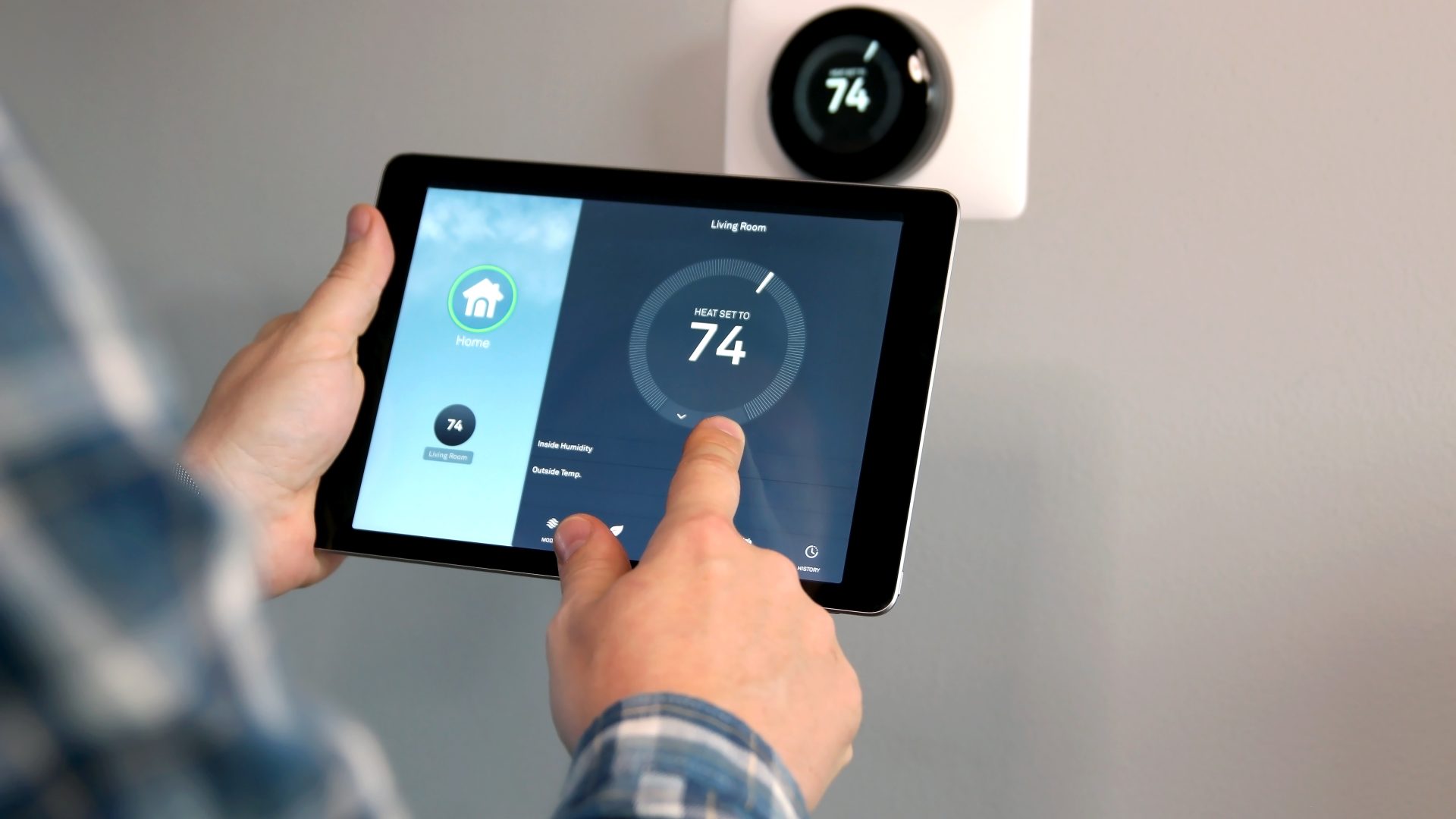
Homeowners should make sure the thermostat is not blocked by furniture or exposed to unusual heat sources. Programmable or smart thermostats can help manage heating schedules, although they cannot correct major ductwork problems or inadequate heating capacity on their own.
For homes with persistent temperature differences, a professional may recommend airflow balancing, zoning, or other control improvements when compatible with the existing HVAC system.
Furnace Maintenance and Mechanical Problems
Sometimes, the problem is not the home’s layout but the furnace itself. Heating equipment needs routine maintenance to operate safely and efficiently. Dirty filters, restricted airflow, faulty components, or control problems can reduce heating performance.
Signs Your Furnace Needs Professional Attention
A clogged air filter can restrict airflow and contribute to overheating or repeated shutdowns. Other issues may include a malfunctioning blower motor, ignition problems, a dirty burner, or a faulty sensor.
Watch for these warning signs:
- The furnace runs for unusually long periods but produces insufficient heat.
- Airflow from several vents feels weak.
- The system starts and stops repeatedly.
- Unusual noises or unfamiliar odors develop.
- Heating performance declines compared with previous seasons.
Start by checking the air filter and replacing it if necessary, following the manufacturer’s recommendations. Make sure supply and return vents are not blocked by rugs, furniture, or other objects.
If the problem continues, schedule a professional inspection. Furnace components involving combustion, gas, electrical systems, and safety controls should be evaluated by a qualified technician rather than repaired through guesswork.
When to Contact an HVAC Professional
If one floor remains consistently colder than the other despite reasonable thermostat settings and an unobstructed airflow path, a professional assessment can help identify the underlying cause. A contractor can inspect the furnace, measure airflow, evaluate ductwork, and determine whether the heating system is appropriately sized for the home.
D-N-D Services has served Rockwall and surrounding North Texas communities since 1997. The company provides heating repair, maintenance, duct inspections, duct replacement, energy assessments, and HVAC system evaluations for residential and commercial customers. Its NATE-certified technicians work with all major HVAC brands and can help homeowners determine whether a heating problem calls for a repair, ductwork improvement, or a more comprehensive system upgrade.
Addressing the root cause is often more effective than continually raising the thermostat. The right solution depends on the home’s design, the condition of the heating equipment, and how effectively warm air reaches each room.
Conclusion
A furnace may struggle to heat a two-story home for several reasons, including uneven airflow, leaking ductwork, inadequate insulation, incorrect equipment sizing, thermostat placement, or a mechanical problem within the heating system. Although some issues can be addressed through simple steps such as replacing a dirty filter or clearing blocked vents, persistent temperature differences usually deserve a closer look.
Regular maintenance, proper load calculations, effective ductwork, and suitable insulation can all contribute to more consistent heating and improved energy efficiency. If your upstairs rooms remain cold or your furnace runs constantly without keeping your home comfortable, consider scheduling a professional HVAC evaluation.
For homeowners in Rockwall and nearby North Texas communities, D-N-D Services can help identify heating concerns and recommend practical solutions to keep your two-story home comfortable throughout the winter.
D-N-D Services Heating & Air Conditioning is the premier choice for HVAC services in Rockwall. With a team of highly trained and certified technicians, we have the expertise to handle all of your heating, ventilation, and air conditioning needs. Our commitment to customer satisfaction is unmatched, and we always go above and beyond to ensure that your experience with us is positive. We use only the highest quality parts and equipment to ensure that your HVAC system is running at peak performance. Plus, we offer competitive pricing and flexible scheduling to fit your needs. Choose D-N-D Services Heating & Air Conditioning for all of your HVAC needs in Rockwall.
