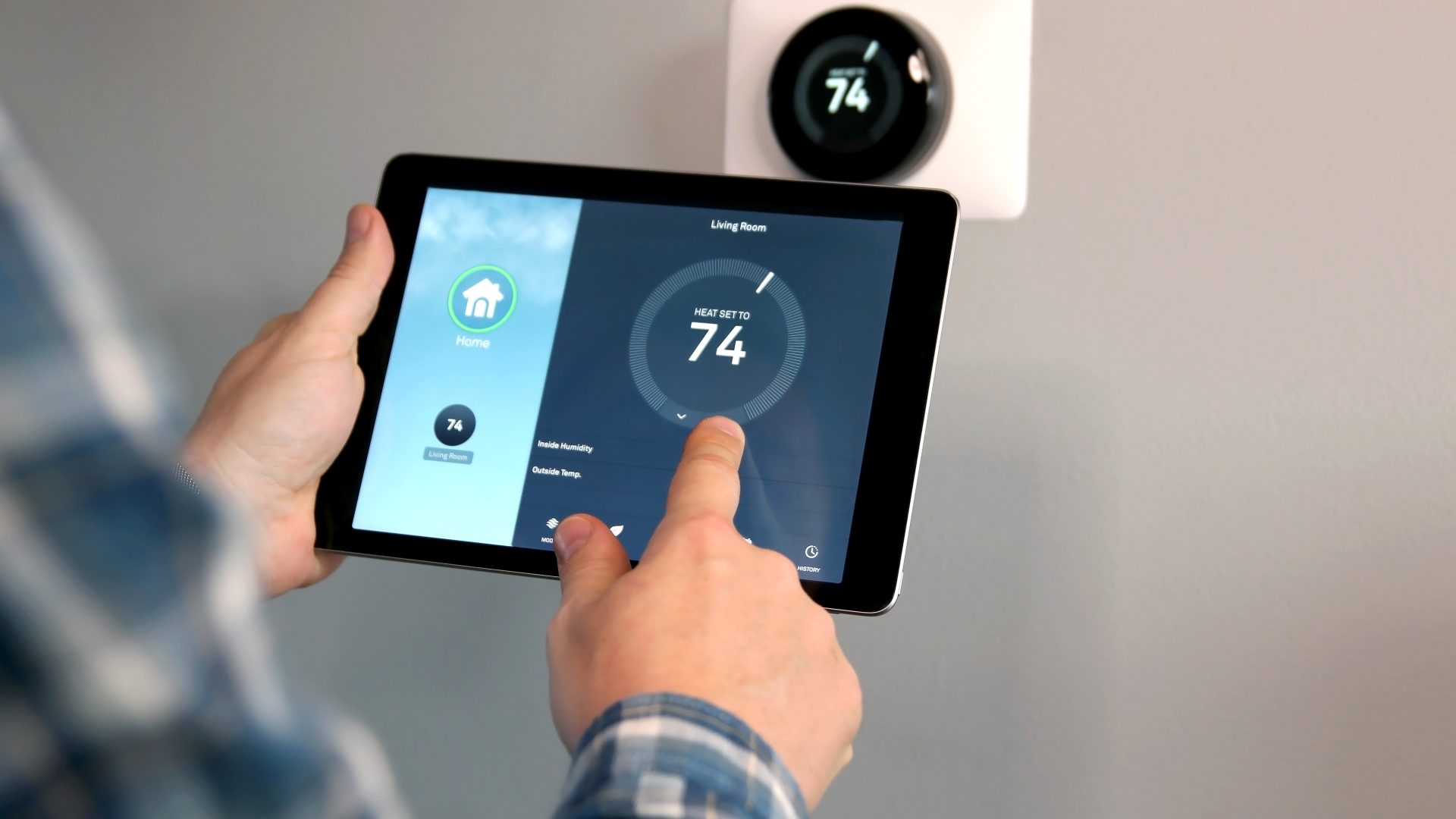

Many homeowners and business owners focus on maintaining their heating and cooling equipment but overlook one small device that plays a major role in system performance: the thermostat. An aging thermostat can quietly cause inefficiencies, discomfort, and even unnecessary HVAC repairs. While it may seem like a minor component, the thermostat acts as the control center for your entire heating and cooling system. When it begins to fail, the results can be costly and frustrating.
The Role of the Thermostat in HVAC Performance
Your thermostat communicates directly with your HVAC system, telling it when to turn on, how long to run, and when to shut off. If that communication becomes inconsistent or inaccurate, your system may start behaving unpredictably. This can include short cycling, running longer than needed, or failing to reach the desired temperature. Over time, these issues can place unnecessary strain on HVAC components, leading to avoidable repairs.
Common Problems with Aging Thermostats
Older thermostats often experience wear and tear that affects their accuracy and performance. Mechanical parts degrade, wiring connections loosen, and sensors lose calibration. Some of the most common issues include:
- Temperature misreadings that cause the system to run too long or not long enough
- Delayed response times when adjusting temperature settings
- Intermittent system cycling that increases wear on compressors and motors
- Battery corrosion or electrical connection failures
- Outdated technology that lacks efficiency and precision
These problems may not always be obvious, but they can slowly increase energy consumption and cause unnecessary stress on your HVAC equipment.
How Inaccurate Temperature Readings Cause Repairs
When a thermostat reads the indoor temperature incorrectly, your HVAC system receives false instructions. For example, if the thermostat reads warmer than the actual temperature, your air conditioning system may run continuously trying to cool a space that is already comfortable. This extended runtime can lead to premature wear on components such as:
- Compressors
- Blower motors
- Capacitors
- Contactors
- Evaporator coils
Similarly, if the thermostat reads cooler than the actual temperature, your system may short cycle, turning on and off frequently. Short cycling is one of the fastest ways to reduce system lifespan and increase repair costs.
Increased Energy Costs from Older Thermostats
An aging thermostat not only leads to repairs but also increases energy usage. When the system runs longer than necessary or cycles too often, it consumes more electricity. This results in higher utility bills and reduced efficiency. Modern thermostats offer better accuracy and programming features, allowing homeowners and businesses to control temperatures more effectively. Without these features, older thermostats may keep systems running during times when heating or cooling is not needed.
Wiring and Electrical Issues
Older thermostats may develop wiring problems due to age and environmental factors. Loose connections, corroded terminals, or outdated wiring configurations can cause intermittent operation. This can mimic larger HVAC problems, leading technicians to troubleshoot the system itself when the thermostat is actually the root cause. Replacing or upgrading the thermostat often resolves these issues without the need for major repairs.
Lack of Compatibility with Modern HVAC Systems
Many newer HVAC systems are designed to operate with advanced thermostats that provide improved communication and efficiency. An outdated thermostat may not properly support variable speed motors, multi-stage systems, or high-efficiency equipment. This mismatch can cause the system to operate incorrectly, resulting in poor comfort and additional strain on components.
Signs Your Thermostat May Be Causing HVAC Issues
You may want to consider checking or replacing your thermostat if you notice the following:
- Uneven temperatures throughout your home or business
- HVAC system turning on and off frequently
- System running constantly without reaching set temperature
- Sudden increase in energy bills
- Thermostat display fading or malfunctioning
- HVAC system not responding to thermostat adjustments
Addressing these symptoms early can prevent unnecessary service calls and expensive repairs.
Benefits of Upgrading Your Thermostat
Replacing an aging thermostat offers several advantages beyond avoiding repairs. Newer thermostats provide improved accuracy, programmable scheduling, and better compatibility with modern systems. Some models also offer smart technology that allows remote control and energy monitoring. These features help reduce wear on HVAC equipment and improve overall comfort.
Conclusion
An aging thermostat may seem like a minor issue, but it can significantly impact the performance and longevity of your HVAC system. Inaccurate readings, electrical problems, and outdated technology can lead to unnecessary repairs, higher energy costs, and reduced comfort. Regularly evaluating your thermostat and upgrading when needed can help ensure your heating and cooling system operates efficiently. By addressing this small component before it fails, you can avoid costly repairs and maintain reliable indoor comfort for years to come.
D-N-D Services Heating & Air Conditioning is the premier choice for HVAC services in Rockwall. With a team of highly trained and certified technicians, we have the expertise to handle all of your heating, ventilation, and air conditioning needs. Our commitment to customer satisfaction is unmatched, and we always go above and beyond to ensure that your experience with us is positive. We use only the highest quality parts and equipment to ensure that your HVAC system is running at peak performance. Plus, we offer competitive pricing and flexible scheduling to fit your needs. Choose D-N-D Services Heating & Air Conditioning for all of your HVAC needs in Rockwall.
